Who Should Take This Manual Handling Training Course?
The manual handling course is aimed at all levels of employees who may undertake manual handling operations, including the transporting of a load of items by lifting, putting down, pushing, pulling, carrying or moving thereof by hand or by bodily force. This includes, but is not limited to, professions such as:
- Warehouse and factory staff
- Heavy manual labourers
- Unloading and loading of vehicles
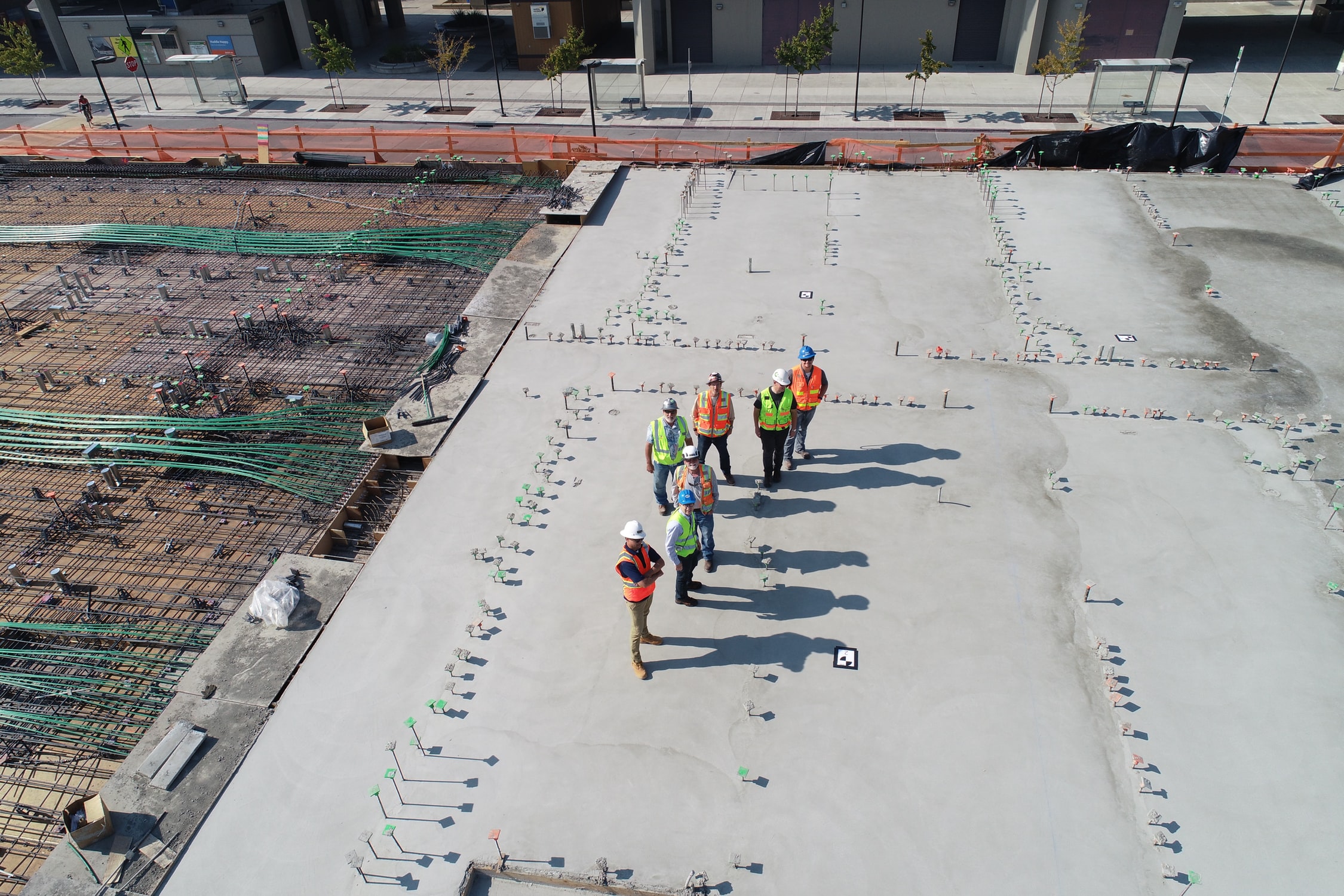
- Construction and building site workers
- Office workers
- Delivery drivers
- Farmhands
Content
The course is divided into five accessible, interactive modules and also includes an assessment at the end:
Introduction and Legislation – what is manual handling? Causes of injury, benefits of controlling risks, manual handling legislation, employer and employee duties and HSE guidance.
Identifying the Risks – types of injury, occupations most at risk, the musculoskeletal system, the mechanics of movement and factors that increase the risk of harm.
Risk Assessments – what is a risk assessment? Identifying task, load and environmental hazards, deciding who may be harmed, evaluating risks, recording findings and reviewing and updating.
Reducing and Controlling the Risks – preparing a manual handling operation, hierarchy of control measures, individual capacity, can manual handling be avoided? Reducing the risk of harm, mechanical aids, changing the task, load and environment, personal protective equipment and reducing the risks from team handling.
Manual Handling Techniques – lifting from low levels, carrying, lowering from height, pushing and pulling, team handling and further information.
Aims of the Manual Handling Training
By the end of this course learners will:
- Be able to define manual handling and explain the common causes of injury.
- Understand the legal responsibilities and the duties placed on employers and employees.
- Be able to recognise manual handling hazards.
- Understand the types of injury that can be caused by poor manual handling practice.
- Be able to undertake an effective manual handling risk assessment.
- Understand the control measures that can be put in place to reduce the risk of harm.
- Understand and practise the best way to handle loads to maintain a safe working environment.